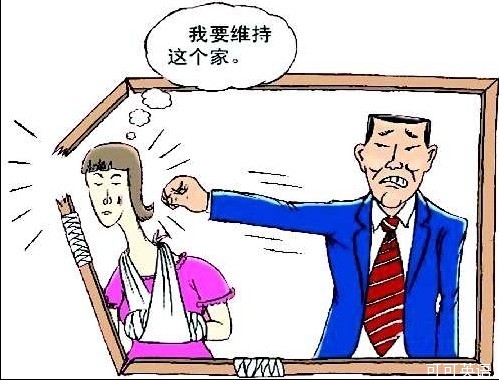
本月宣判的李阳家暴离婚案让我想起了自己生活中最烦恼、最困惑的一段感情。
This month's court decision in the Li Yang domestic abuse divorce case has caused me to reflect back to what was the most troubled and confusing relationship of my own life.
尽管我当时受到的伤害绝没有李阳妻子遭遇的那么严重,然而,我的经历仍让我陷入了深思──我到底能忍耐自己被虐待多久?
While the abuse in my case was never as severe as what Li Yang's wife faced, still my relationship forced me to deeply question to what lengths I would allow myself to be mistreated.
我从来没有公开讲述过或写过那段感情,因为这完全是一件私事。但是如果我的故事能够帮助哪怕一个人脱离这种危险的境遇,我愿意和大家分享这段往事。
I've never publicly spoken or written about that relationship as it's such a personal matter. But if my story can help one person get out of a dangerous situation, I'm willing to share it.
了解虐待
Understanding abuse
当我们提到虐待的时候,我们往往会联想起关于那些被打得鼻青脸肿的女性的可怕新闻报道和微博图片。
When we think of abuse, we often think of those horrible news stories and Weibo photos of women who've been physically disfigured by abuse.
然而,并不是所有的虐待都是身体上的。而且,虽然女性更经常成为虐待的受害者,但男性也常常是受害者──特别是精神虐待(emotional abuse)的受害者。精神虐待可能带来同样的破坏性,甚至更令人费解。
But not all abuse is physical. While women are more commonly the victims of abuse, men also are often victims- especially of emotional abuse. And emotional abuse can be just as destructive, and even more confusing to understand.
精神虐待令人费解是因为在摆脱虐待的过程中,最困难的一步就是识别它。毕竟,对尚未意识到的问题,你无从下手。心理学家特伦斯?里尔博士(Terrence Real)在其畅销书《婚姻新规则》(The New Rules of Marriage)中对虐待行为做出了如下定义:
It's confusing because often the hardest step in getting away from abuse is recognizing when a relationship is abusive. After all, you can't address a problem you don't know is there. That's why it's so useful that in his book The New Rules of Marriage, best-selling author and psychologist Dr. Terrence Real defines abuse:
(1)呼来喝去,大吼大叫。
Yelling and screaming
(2)恶言相向,说任何以“你这个……”开头的句子。
Name-calling: Any sentence that begins with 'You are a...'
(3)羞辱或侮辱,说别人品行恶劣或一无是处。嘲笑、讥讽、挖苦别人、乱开玩笑或自视过高。
Shaming or humiliating: Communicating that someone is a bad or worthless person. Ridiculing someone, mocking, being sarcastic, humoring or being patronizing.
(4)对另一位成年人指手画脚,告诉她该怎么做、怎么想或作何感受。
Telling another adult what she should do, or how she should think or feel.
(5)信誓旦旦,却言而无信。
Making promises and breaking them.
(6)撒谎或摆布别人:故意歪曲事实或者欺骗性地改变行事方法,以达到控制伴侣的目的。诸如:“别担心我。我淋着雨也没关系。去吧,你玩得开心点。”
Lying or manipulating: Deliberately falsifying information or dishonestly changing your behavior in an attempt to control your partner, for example: 'Don't worry about me. I'll be fine out here in the rain. You go have a good time.'
当我读到上述定义的时候,我的第一反应是:
When I read this definition, my first reaction was:
难道这些行为都算得上虐待?
These behaviors are abuse?
这些都稀松平常啊!
But they happen all the time!
不过,我随后意识到,里尔博士是正确的。
But then I thought: he's right.
他列举的上述行为都是将来可能出现身体虐待的预警信号。并且,这些行为本身就是虐待行为。
The behaviors he outlines are warning signs that a physically abusive relationship may develop. And, in and of themselves, they ARE abuse.