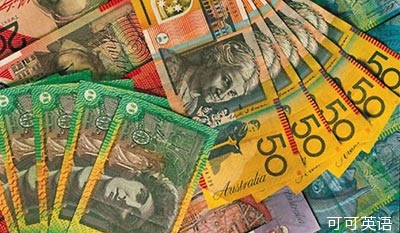
过去几个月,澳元大幅下跌。人们有充足的理由认为澳元将进一步走低。
The Australian dollar has taken a tumble the past few months. There's good reason to think it has further to fall.
澳大利亚央行(Reserve Bank of Australia)警告说,它计划采取罕见的措施,干预外汇市场以提振日益疲弱的经济。此举令澳元进一步走低。但在澳大利亚之外,美国和中国的诸多力量可能成为令澳元进一步走软的主要推动力。
The Reserve Bank of Australia has jawboned its currency lower with warnings it is set to make a rare jump into foreign-exchange markets to boost the flagging economy. But forces outside Australia, in the U.S. and China, are likely to do the heavy lifting of making the Australian currency weaker.
澳元交易量在世界上排第五位,它的走势反映出中国对大宗商品的需求。目前澳元仍处于历史高点,澳元兑美元为0.89美元,相比之下一年前为1.05美元。这将拖累澳大利亚的经济,特别是制造业和旅游业。在中国经济增长放缓造成矿业繁荣消退之际,这两个行业原本可以弥补矿业下滑所造成的影响。
The world's fifth-most traded currency and a proxy for China's commodities appetite remains high historically, at 89 U.S. cents per Australian dollar, versus US$1.05 a year ago. That's hampering Australia's economy, especially manufacturing and tourism, which otherwise could take up slack from a fading mining boom as China slows.
自去年10月以来,澳元兑美元累计下跌了6%。其中包括澳大利亚央行行长史蒂文斯(Glenn Stevens)发表了他对干预汇市持开放态度的言论后澳元的走低。史蒂文斯直到最近之前一直是自由浮动汇率的捍卫者。
The Australian dollar has fallen 6% against its U.S. counterpart since October. That includes a dive after Reserve Bank of Australia Gov. Glenn Stevens, until recently a defender of free-floating exchange rates, said he was 'open minded' about the idea of intervention.
诸多更大的力量对澳大利亚央行有利。去年12月,一个衡量澳大利亚主要大宗商品出口情况的央行指数跌至三年半以来的最低水平。该指数与澳元兑美元汇率具有密切相关性。随着去年12月中国的制造业失去后劲,几乎没有迹象显示澳大利亚矿石和能源价格将大幅回升。
Larger forces are a wind at the bank's back. A central-bank index of Australia's major commodity exports dropped to the lowest level in more than 31/2 years in December. The index has a tight correlation with the Aussie's performance against the greenback. With Chinese manufacturing losing momentum in December, there are few signs there will be a substantial turnaround in prices for Australia's rocks and energy.
与此同时,美国联邦储备委员会(Federal Reserve,简称:美联储)缩减购债计划恰逢澳大利亚的政策利率接近历史低点之际。然而,美国与澳大利亚债券收益率之间的差距却一直没有明显收窄。
Meanwhile, the U.S. Federal Reserve's shrinking bond-buying program comes as Australian policy rates are near historic lows. Yet the spread between U.S. and Australian bond yields hasn't shrunk substantially.
两年期澳大利亚债券收益率仍比美国债券高2.31个百分点,较一年前的2.43个百分点仅有略微收窄。随着各国央行朝着不同的方向用力,澳大利亚与美国债券收益率之间的差距应该会收窄,澳元的吸引力会减弱。
Two-year Australian bonds still yield 2.31 percentage points more than their U.S. counterpart, only slightly less than 2.43 points a year ago. With the central banks moving in opposite directions, that spread should narrow and make the Aussie less attractive.
史蒂文斯称,澳元兑0.90美元以上是经济无法维持的。这似乎是明确表明了立场。即便是小幅的波动也可能会促使央行采取干预措施。但正如日本所发现的,令汇率走低的一条更加有效的途径是在更大范围内放松货币政策。在央行将政策利率设定为2.5%的情况下,澳大利亚有降息的空间,但它担心这样做可能会进一步推高高度泡沫化的楼市。
Mr. Stevens has labeled a level above US$0.90 unsustainable for the economy. That seems to be something of a line in the sand. Even a slight bump could prompt intervention. But as Japan discovered, a more effective path to a weaker currency is loosening monetary policy more broadly. With the central bank's policy rate at 2.5%, Australia has room to cut but is worried about pumping up a stubbornly bubbly housing market.
目前为止,澳大利亚可以稍安勿躁。中国经济的不断放缓,加上美联储缩减购债规模,这些将成为使澳元走上澳大利亚所希望的方向的主要力量。
For now, Australia can take it easy. A slowing China and a tapering Fed will do the hard work of sending its currency in the direction it wants.