日本汽车业正向海外拓展一项业务,这项业务的顾客为世界上最沉默的道路使用者——逝者。
Japan’s automotive industry is making an international push for the custom of the world’s least vocal road users: the dead.
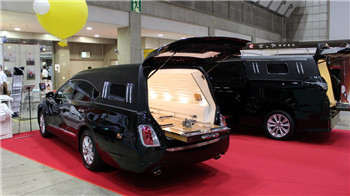
以生产轰鸣的超级跑车而闻名的光冈汽车(Mitsuoka),正力争向亚洲新兴市场推销其更为安静的、售价7万美元的Type 5灵车。
Mitsuoka, best known for its roaring supercars, is wooing emerging Asian markets with a sales pitch for its more sedate $70,000 Type 5 hearses.
在上周东京Endex展览(日本最大的殡葬产业展)上,上演了一场殡葬生意争夺战。
Japan’s battle for the funeral dollar was on display at Endex, the country’s largest end of life industry trade show in Tokyo last week.
日本人可能是全球最老龄化的人口之一,但其国内200亿美元的殡葬产业却在走下坡路,送葬者人数不断减少,坟墓也在不断收缩。
Japan may boast one of the world’s oldest populations, but its domestic $20bn funeral industry is in decline: mourner numbers are dwindling and graves are shrinking.
事实上,昂贵的地价——导致墓地面积越来越小——使得紧凑型墓碑成为此次展览上的热门产品。
Indeed, pricey real estate — the driver of ever smaller final resting places — made compact graves-stones the hit product of the show.
墓碑批发商Nobuko Inada感叹,以往日本人在墓碑上的花费在300万日元(合3万美元)到500万日元之间,现在的平均花费则为100万到300万日元。
Nobuko Inada, a tombstone wholesaler, bemoaned the fact that where once the Japanese spent between ¥3m ($30,000) and ¥5m on a tombstone, the average was now between ¥1m and ¥3m.
日本现在的人口结构意味着,葬礼数量超过以前,但葬礼规模和花费却小于从前。
Demographics in today’s Japan mean there are more funerals than before, but they are being held on a smaller and cheaper scale.
据日本最大的殡仪公司估计,现在约8%的日本老人根本不想举办葬礼,这对灵车销售造成打击——现在每年的销量为550台,其中三分之一为光冈和Kawakita销售。
Some 8 per cent of elderly Japanese now opt for no funeral at all, according to an estimate by Japan’s largest firm of undertakers, taking a toll on hearse sales — now 550 a year, one-third of which are sold by Mitsuoka and Kawakita.
在日本以外,丧葬业前景向好。
Beyond Japan, the industry is looking up.
和光冈一样,Kawakita也已将注意力转向出口——亚洲日益庞大的中产阶级想让亲人更体面地走完最后一程,环境监管机构也在打击殡仪业者使用的、废气排放严重的小卡车和小型货车。
Like Mitsuoka, Kawakita has turned its attention to exports as Asia’s rising middle classes demand a classier final journey for their loved ones and environmental regulators clamp down on the smoke-belching small trucks and minivans deployed by undertakers.
这些向海外拓展的努力到目前为止成效不大,2015年以来仅有9辆高端灵车销往海外,不过光冈预计,随着中国灵车升级换代,销量会有爆炸式增长。
Efforts so far have been modestly rewarded: nine high-end hearses have been sold abroad since 2015, though Mitsuoka expects more explosive growth when China trades in its hearse fleet for something more luxurious.
Kawakita的总裁Takanari Kawakita表示:我们在台湾、印尼、马来西亚和香港都有项目在洽谈中,有望从这些地区获得订单。
We are in negotiations in Taiwan, Indonesia, Malaysia and Hong Kong and are expecting orders from those, said Takanari Kawakita, the president of Kawakita.
在这些国家我们看到运载灵柩的车辆正在发生很大的转变,从微型客车转向更传统的厢式灵车。
In those countries, we are seeing a big shift from carrying coffins in micro-bus style vehicles to the more traditional van-type hearses.
灵车制造商并不是着眼亚洲丧葬业增长潜力的唯一殡葬业参与者。
Hearse makers are not the only funeral players eyeing growth potential in Asia.
日本的灵柩制造商也表示他们预期海外需求将大幅增长,该行业面临着越来越大的压力,要生产高品质、非传统式骨灰盒,展示死者的爱好、最喜欢的地方和最喜欢观看的运动项目。
Japanese coffin makers, who have come under increasing pressure to produce high-quality, non-traditional caskets that feature the favourite hobbies, locations and spectator sports of the deceased, said they were expecting a substantial pick-up in overseas demand.
那些可为地震频发国家的墓碑提供抗震工程方案的企业也将眼光投向了海外。
So too do companies that offer engineering solutions for securing tombstones in quake-prone countries.
丧葬业的眼光还不仅局限于人类。
Nor is it just humans.
外国买家在Endex展会上密切关注的一项展览是可以安装在车辆上的各种便携式焚化炉,让人们能够在路边为宠物举办葬礼。
One exhibit closely scrutinised by foreign buyers at the Endex show was a range of portable crematoriums that can be installed in vehicles to allow delivery of roadside pet funeral services.