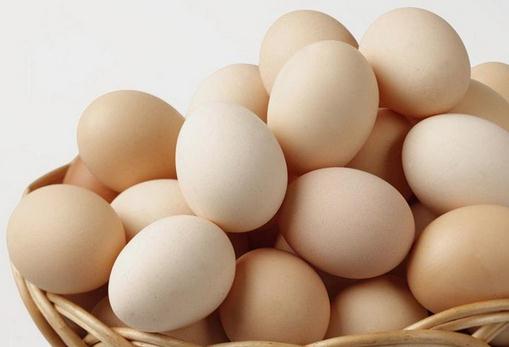
由美国鸡蛋委员会资助的一项最新研究上周二表示,每天食用一枚鸡蛋,可降低中风风险12%。
Eating an egg a day may cut the risk of stroke by 12 percent, a new study funded by the American Egg Board said last Tuesday.
研究结果是基于对1982年至2015年研究的系统综述和综合分析,该研究评估了鸡蛋摄入与冠心病(276,000例受试者)、中风(308,000例受试者)之间的关系。
The findings were based on a systematic review and meta-analysis of studies dating back between 1982 and 2015, which evaluated relationships between egg intake and coronary heart disease (276,000 subjects) and stroke (308,000 subjects).
该研究发现,每天吃一个鸡蛋与冠心病没有关联,但是中风的风险则降低了12%。
It found consumption of up to one egg per day had no association with coronary heart disease but there was a 12 percent reduction in the risk of stroke.
美国EpidStat研究所的首席调查员多尼米克·亚历山大表示,他们需要做更多的研究,来了解吃鸡蛋和中风风险之间的联系。
Principal investigator Dominik Alexander of the US EpidStat Institute said that more work is needed to understand the connection between egg consumption and stroke risk.
不过他也表示:“鸡蛋确实有很多积极的营养特性,包括已被证明可以减少氧化应激和炎症的抗氧化剂。”
However, "eggs do have many positive nutritional attributes, including antioxidants, which have been shown to reduce oxidative stress and inflammation," he said.
“它们也是蛋白质的一个很好的来源,这与降血压有关。”
"They are also an excellent source of protein, which has been related to lower blood pressure."
根据该研究显示,一个大的鸡蛋包含6克的高品质蛋白质,以及抗氧化剂叶黄素和玉米黄质,还有维生素E、D和A。
One large egg boasts six grams of high-quality protein and antioxidants lutein and zeaxanthin, as well as vitamins E, D, and A, according to the study.