唐纳德.特朗普(Donald Trump)的当选创造了各种各样意想不到的赢家。比如美国能源企业、俄罗斯卢布持有者或华尔街银行。还有一个机构有理由为本次美国总统大选结果感到高兴,那便是强大的日本央行(Bank of Japan)。
The election of Donald Trump has created all manner of unexpected winners. Think of US energy companies, holders of Russian roubles or Wall Street banks. Another institution which has reason to be cheerful about the US presidential election result is the mighty Bank of Japan.
美国市场上涨和美元走强,再加上本周美国利率升高,给日本带来了一线希望:日本可能走出通货紧缩和负利率的惨淡世界。若果然如此,这一局面将是极受欢迎的——不必介意这一转折的触发点来自一个不大可能的因素。
The rally in US markets and the dollar, along with this week’s increase in US interest rates, has created a glimmer of hope that Japan might be heading out of the twilight world of deflation and negative rates. If so, that would be extremely welcome — never mind the fact that the trigger for the tipping point has come from an unlikely source.
不论根据什么标准,日本央行都急需一些东西来为经济注入生气。近年来日本央行推出了一系列使人眼花缭乱的政策实验,结果都让人失望。
By any standards, Japan’s central bank badly needs something to create an economic jolt. In recent years it has launched a bewildering list of policy experiments, with disappointing results.
首先在20世纪90年代末,日本央行实施了零利率政策,然后开始大量买进日本政府债券。随后它开始购买股票、公司债券和交易所交易基金(ETF)。
First, in the late 1990s, the bank implemented the zero interest-rate policy. Then it started gobbling up Japanese government bonds. Subsequently it started purchasing equities, corporate bonds and exchange traded funds.
今年日本央行就更进一步了,干脆让官方利率进入了负值区。然后9月份日本央行官员启动了一项实验,希望通过购买更多日本国债来实现对短期和长期收益率曲线预设的目标。换句话说,日本央行如今管理货币政策的方式是以特定形状的日本国债收益率曲线为目标,而不再是购买预设数量的债券。
It went further this year and pushed an official interest rate into negative territory. Then, in September, BoJ officials embarked on an experiment: aim to hit a preset target for the short and long yield curve by buying more JGBs. In other words it is now running policy by targeting a particular shape of the JGB yield curve, rather than buying a preset quantity of bonds.
虽然这些疯狂的实验让日本央行持有了三分之一的日本国债,通货紧缩仍是一大祸害。2014年日元走弱后通胀上升。从那以后日元走强,消费者价格又回落到通缩范畴。
But though these wild experiments have left the central bank holding a third of the outstanding JGB stock, deflation remains a scourge. In 2014 inflation jumped after the yen weakened. Since then, the yen has strengthened and consumer prices have slid back into deflationary territory.
但现在可以察觉到投资者情绪明显变了。自11月9日触及低位以来,日经225(Nikkei 225)涨幅已逾17%,甚至超过了道琼斯工业平均指数(Dow Jones Industrial Average)涨幅。
Now, however, a tangible shift of investor sentiment is in the air. Since touching a low on November 9, the Nikkei 225 stock market has rallied more than 17 per cent, which is even more than the rise in the Dow Jones Industrial Average.
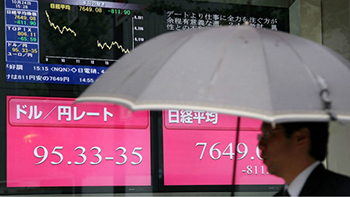
这部分反映了一个希望,即特朗普的政策将促进美国经济增长和推高全球需求,而日本将从中受益。但最关键的因素是日元:自11月8日以来,日元兑美元汇率从1美元兑103日元下滑到1美元兑118日元。
This partly reflects hopes that the president-elect’s policies will boost American growth and global demand, benefiting Japan in the process. But the most crucial factor is the yen: since November 8 this has slid from Y103 to the dollar to Y118.
幸运的是正巧在这一波动发生的同时,投资者已领会日本央行最新货币政策实验的含义。因此,上述各方面因素的叠加似乎已经以一种积极的方式改变了投资者心理。
By a lucky fluke, this swing has occurred at the same moment that investors have grasped the implications of the BoJ’s latest monetary policy experiment. And so the combination of these events appears to have changed investor psychology in a positive way.
今年早些时候,10年期日本国债收益率还为负值,债市几近冻结。然而,本周,10年期日本国债收益率在0.08%左右,符合日本央行的目标。当然,这个水平与上涨的美国国债收益率相比微不足道。但日本央行维持利率不变的事实有助于保持平滑的收益率曲线以及与美国之间较大的利差,这反过来会使日元对美元进一步走弱。
Earlier this year, the 10-year Japanese government bond yield was in negative territory and the markets were all but frozen. This week, however, the 10-year JGB yield was about 0.08 per cent, in line with the BoJ target. Of course, that rate looks paltry when set against rising US yields. But the fact that the BoJ is pinning rates is helping to maintain a flat yield curve and wide spread with US rates, which in turn weakens the yen against the dollar.
这使得居民消费价格有希望在明年企稳、甚至上涨。今年10月美国还没举行大选的时候,日本的总体通胀率转为一个很小的正值,在特朗普、美联储(Fed)和日本央行各方的综合作用下,有可能将日本通胀率推到更高水平。
That has raised hopes that consumer prices will stabilise or even rise next year. In October, before the US election, the headline rate of inflation turned fractionally positive but the combination of Mr Trump, the Federal Reserve and the BoJ could now push it higher.
仍有很多因素可能让这些希望破灭。如果日元兑美元汇率跌势过猛,这或将引发华盛顿的政治反弹。如果特朗普的经济计划最终化为泡影,投资者将产生失望情绪。如果美联储加息决定损害了美国经济增长,这或许会再次让日本央行的希望破灭。
Plenty of factors might still dash those hopes. If the decline in the yen against the dollar turns into a rout, that might spark a political backlash from Washington. If Mr Trump’s economic plans turn out to be a mirage, investor disappointment will set in. If the Fed’s decision to raise rates undermines US growth, this might dash the BoJ’s hopes again.
日本还存在一个棘手而耐人寻味的消费者心理问题。日本最严峻的问题之一是,整整一代人在成长过程中都认为,通缩不仅正常,而且可取。
Then there is the tricky, and fascinating, matter of consumer psychology. One of the most pernicious problems in Japan is that an entire generation has grown up thinking that deflation is not just normal but desirable too.
改变这种心态或许并不容易。未来工资变动将至关重要。鉴于劳动力市场趋紧且日本首相安倍晋三(Shinzo Abe)敦促企业加薪,理论上明年工资应该会上涨。但近年来的工资增速一直令人失望,部分原因是薪酬协议往往与过去挂钩,且通缩习惯很难改变。
It may not be easy to change this mindset. What happens next to wages will be crucial. In theory they should rise next year since the labour market is tight and Shinzo Abe, the prime minister, has urged companies to raise salaries. But wage growth has disappointed in recent years, partly because pay deals tend to be indexed to the past and deflationary habits die hard.
尽管日本也许仅有一线希望,但重要的是:忽然之间我们就可以想象日本回到一个更正常的世界,国债收益率上升,通胀为正值,日本央行拥有公信力。撇开其他不谈,这使人们领略到政治风险的力量,无论好坏;也是对仅凭经济数据预测市场走势的愚蠢行为的一个教训——尤其是在特朗普的世界。
But even if hope for Japan is merely a glimmer, the point is this: it is suddenly possible to imagine Japan returning to a more normal world where yields rise, inflation is positive and the BoJ has credibility. If nothing else, it is a potent reminder of the power of political risk, for good and bad; and a lesson in the folly of predicting market movement with economic data alone. Particularly in the world of Trump.