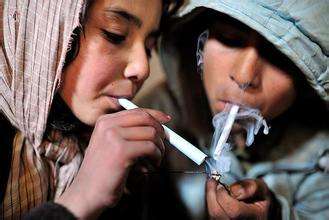
随着暴力事件在阿富汗剧增,鸦片生意也在这个国家扶摇直上。
As violence surges in Afghanistan, so too does the country's opium business.
去年,在那些非战斗人员中,有近3700人因此丧生,死亡人数是历年来最高的。
Last year was the deadliest year ever for non-combatants, with nearly 3,700 killed.
在最近的世界毒品报告中,联合国表示,用于种植鸦片的农田面积达到新高:224000公顷的。这些土地生产了世界上85%的鸦片和77%的海洛因。
In its latest World Drug Report, the UN says it was also a record year for the area of farmland used to grow opium: 224,000 hectares, which produced 85% of the world's opium and 77% of its heroin.
20世纪80年代,可卡因在哥伦比亚泛滥成灾,当时毒品竟然占到该国国民收入的6%。而在阿富汗,这一数字至少占到了15%。
When cocaine production was at its peak in Colombia in the 1980s, drugs produced 6% of that country's income. In Afghanistan, they generate at least 15%.
这项生意之所以红火是因为在打击中无法可依,加上美国主导的国际刑警组织撤退造成在阿富汗地区斗争不断升级。
The business thrives on the lawlessness of conflict, which has escalated in Afghanistan along with the withdrawal of a large part of the American-led international forces.
大规模的罂粟种植者经常利用关系使卧底警察陷入困境。
Large-scale poppy-growers often use their connections to keep prying officials at bay.
这样一来,根除工作的主要打击对象就成了贫穷的农民。这种风险让暴力不断恶化。而被剥夺生计的绝望的农民,很有可能转而投身塔利班。
Eradication efforts thus mainly target poorer farmers. That risks making the violence worse. Desperate farmers stripped of their livelihoods may turn to the Taliban.