论及限制血糖的手段,糖尿病患者的选择十分有限。
When it comes to keeping your blood sugar in check, people with diabetes have limited options.
医学研究人员一直在寻找一种非侵入性的方法来替代自我管理的手指试验,或者是一个连续的显示器,将它的传感器放置于皮肤下面。
Medical researchers have been searching for a noninvasive alternative to the self-administered fingerprick test, or a continuous monitor with a sensor worn under the skin.
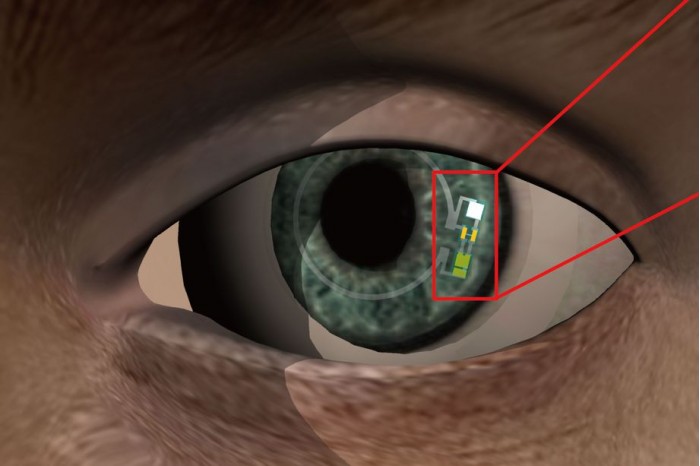
如今一组韩国研究人员得到一种解决方式:能监控眼泪中葡萄糖含量的隐形眼镜。
Now a team of South Korean researchers has a solution: a contact lens that keeps tabs on the glucose in your tears.
该研究团队已经在兔子身上进行了原型实验和测试,并报告称未引起不良反应。
The research team has prototyped and tested their device on rabbits, and report that it causes no adverse reactions.
不仅如此,隐形眼镜很柔软且具有弹性,只有极少数的刚性部件,也不含易碎或厚重的部件,不会阻挡视力或伤到眼睛。
Moreover, it's soft and flexible, with only a few small rigid components. It contains neither brittle nor bulky components that could block the vision or harm the eye.
佩戴者须照镜子来查看自己的血糖水平。
The wearer has to look into a mirror to see the glucose level.
它听起来很笨重,但透镜内部的组件--甚至是葡萄糖监测器中的硅衬垫等刚性部件--的厚度仅为镜片厚度的百分之一。
It sounds bulky, but the components inside the lens -- even the rigid parts, such as the silicon pads in the glucose monitor -- are only one hundredth the thickness of the lens itself.
这种隐形眼镜在正式供人类使用之前,可能还需要进行一进一步的检测,但这一概念的证明表明,这可能只是时间问题(科学家们会更努力的工作)。
There may be some way to go before contact lenses of this kind are ready for use by humans, but this proof of concept shows that it could be only a matter of time (and more hard work by scientists).