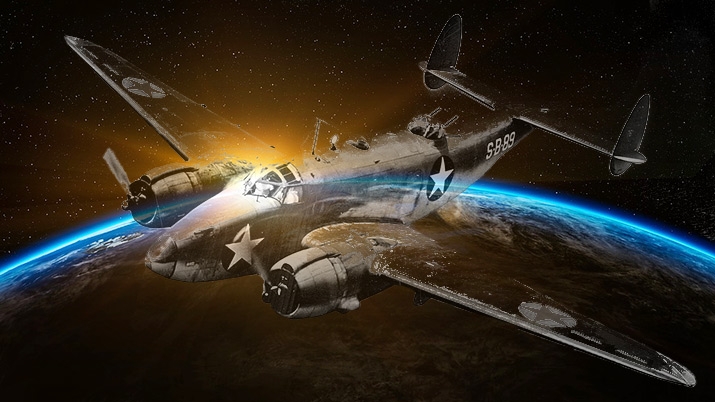
第二次世界大战期间,盟军使用的炸弹之多,甚至削弱了地球的上层大气。
The bombs used by Allied forces during World War II were so large, they weakened the Earth's upper atmosphere.
空袭把城镇变成了废墟和灰烬,但最新研究表明,当时盟军的炸弹爆炸的冲击波甚至可以在英国上空1000公里处感受到。
The air raids turned towns to rubble and ash, but now new research shows shockwaves could be felt up to 1,000 km above the UK.
雷丁大学的克里斯·斯科特表示:“当我发现这种情况时,我感到震惊。当时每次爆炸袭击都会释放出至少300次雷击的能量。”
Chris Scott, from the University of Reading said: "I was absolutely astonished when I found out. Each raid released the energy of at least 300 lightning strikes."
研究人员研究了位于英国斯劳的无线电研究中心的每日记录。
Researchers studied daily records kept at the Radio Research Centre in Slough, UK.
他们分析了在二战中盟军空军对欧洲大陆发动的152次大规模空袭时的大气电离层里的电子聚集浓度,这些空袭包括掩护盟军诺曼底登陆期间对柏林等德国地区的大轰炸。
They looked at how the concentration of electrons changed in the upper atmosphere around the time of 152 Allied air raids in Europe -- including raids on Berlin and those in support of the Normandy landings.
对有关数据分析的结果显示,当时一颗大型炸弹爆炸时,大气中电离层电子的浓度显著下降,从而使上层大气变热。
The data showed the concentration of electrons fell significantly when a bomb was detonated, which in turn heated the upper atmosphere.
电离层是地球大气中的一层,它可以影响无线电通讯、GPS系统、射电望远镜,甚至还能影响天气系统。
It is a layer of the Earth's atmosphere which can affect radio communications, GPS systems, radio telescopes and even some understanding of weather systems.
克里斯·斯科特表示:“如果我们要了解整个电离层,这项研究就非常重要。我们知道电离层是由太阳活动控制的,但目前其多样化的变化却远超出我们目前能解释的部分现象。”
Chris Scott said: "This research is really important if we're going to understand the ionosphere as a whole. We know the ionosphere is controlled by solar activity but it varies much more than can currently be explained."