数百年来,墨水、颜料、涂料和染料都来源于自然界。
Inks, paints, pigments, and dyes have come from the natural world for centuries.
在文艺复兴时期,天青石被磨制成鲜艳的深蓝色颜料,胭脂虫被制成深红色颜料(现在依然如此);铜和铅等矿物质被制成绿色颜料;而黑墨水则是用由碳衍生的烟煤和炭制成的(你猜怎么着,目前我们依然用石油化工产品制造颜料)。
During the Renaissance, the gemstone lapis lazuli was ground down to make rich ultramarine blues and cochineal insects were used to make deep red pigments (and still are); minerals like copper and lead were used in green paint; and carbon-derived soot and charcoal were responsible for black ink (and guess what, petrochemicals still are).
用颜料和亚麻籽油或蛋黄等粘合剂可以制成油漆。
Pigment was bound together with a binder like linseed oil or egg yolk to make paint.
19世纪在化学品上的创新产生了诸如翠绿、海螺红和铬黄色的颜料。
Chemical innovations in the nineteenth century produced the likes of viridian green, cadmium orange, and chrome yellow.
你也许能从这张简短的列表中看出,各种颜料的毒性是不同的。活版印刷油墨也遵循了类似的轨迹,从19世纪末到20世纪初,活版印刷从古腾堡颜料般的活版印刷油墨转向了化学合成油墨。
As you might be able to tell from even just this short list, toxicity varied. Letterpress inks followed a similar trajectory, and moved away from the paint-like inks of Gutenberg's letterpress toward chemical and synthetic inks in the late nineteenth and early twentieth centuries.
但如今,在油墨上进行的新的创新可追溯至很久以前。事实上,它是用地球上最早形成的生物——藻类制成的。
But now a new innovation in ink is going way back. In fact, it's made from some of the earliest organisms on earth: algae.
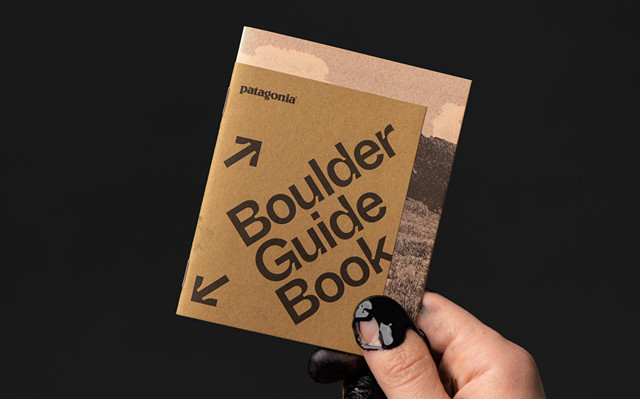
从铸铁设计公司的网站上得知,当以“拯救我们的家园”为使命的巴塔哥尼亚公司(Patagonia)要求铸铁设计公司为科罗拉多州博尔德市制作一份印刷指南时,该团队知道他们有机会“推动可持续发展”。
When the company with a mission to "save our home planet"—Patagonia—asked Cast Iron Design to make a printed guide to Boulder, Colorado, the team knew they had an opportunity to "push the sustainability envelope," according to the Cast Iron Design website.
因此,该团队采取了几个步骤来制作外观和工艺都符合巴塔哥尼亚价值观的小册子。据其网站介绍,该指南是用未经涂布的纸张制成的,这使它拥有一种自然的感觉,而使人们想起设计这份指南的城市。这本小册子制作过程中的碳排放为零。它完全是用从生活垃圾中回收的纤维制成的,而且加工的过程中没有使用氯。而且,该机构还更进一步,使油墨的碳排放也为零。
So the team took several steps to create a booklet that aligned with the values of Patagonia in both look and make. According to the site, the guide is made with uncoated paper stock that has a natural feel reminiscent of the city it's designed for. The booklet was manufactured carbon-neutral. It uses 100% post consumer waste recycled fibers and was processed chlorine-free. But the agency went another step further and made the ink carbon neutral, too.
铸铁设计公司与科罗拉多生物材料公司Living Ink合作,将传统黑墨水中基于石油的颜料替换为基于藻类的颜料,创造了号称“世界上第一款藻类胶印墨水”。
Cast Iron Design partnered with Colorado biomaterials company Living Ink to replace the petroleum-based pigments found in traditional black ink with an algae base, creating what they claim to be the "world's first algae offset ink."